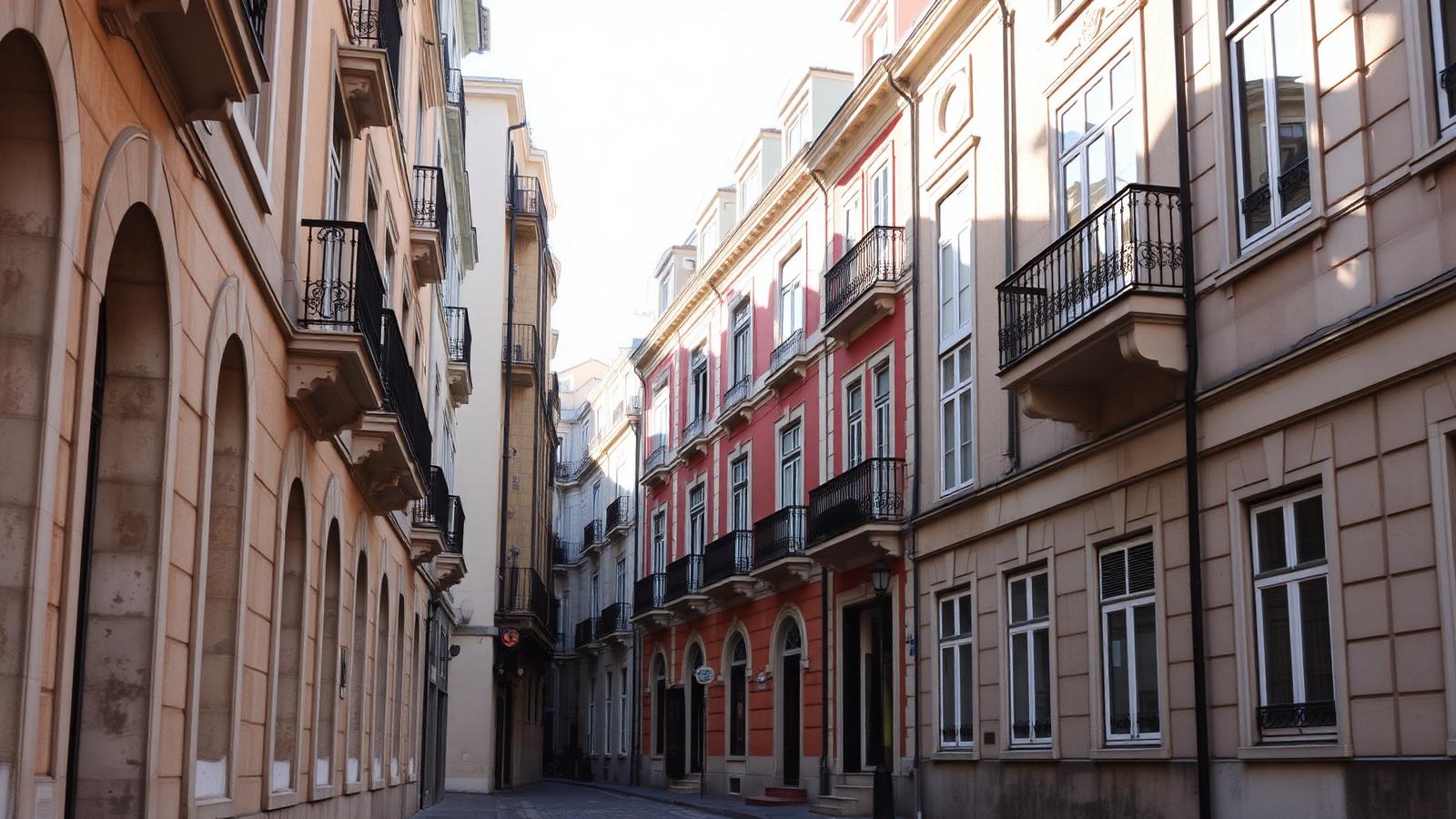
Athens vs Thessaloniki Property: 2026 Comparison
Updated
A comprehensive guide comparing property investment in Athens, Thessaloniki, and the Greek Islands, including Golden Visa rules, yields, and market trends.

Choosing between Athens and Thessaloniki for property investment depends on your priority for capital appreciation versus lifestyle yield. Athens offers the highest liquidity and global connectivity, whereas Thessaloniki provides a more authentic Mediterranean pace and lower entry costs in non-central districts.
Athens vs Thessaloniki Property: 2026 Comparison
Choosing between Athens and Thessaloniki for property investment depends on your priority for capital appreciation versus lifestyle yield. Athens offers the highest liquidity and global connectivity, whereas Thessaloniki provides a more authentic Mediterranean pace and lower entry costs in non-central districts.
Key Takeaways
- Investment Thresholds: The Greek Golden Visa requires a 800,000 EUR investment in Tier 1 zones, which includes the entirety of Athens, Thessaloniki, Mykonos, and Santorini.
- Market Dynamics: Athens is a year-round economic hub with a burgeoning tech sector, while Thessaloniki is a regional education and logistics powerhouse.
- The Island Variable: Island investments are heavily seasonal, requiring a sophisticated management strategy to ensure 12-month viability.
- Regulatory Shifts: New 2024 zoning laws have eliminated the 250,000 EUR threshold for the majority of prime residential areas, shifting the focus to high-value assets.
- Yield Profiles: Gross rental yields generally range from 3.5% to 5.5% in major cities, with higher gross spikes in short-term island rentals during peak summer months.
Is Athens the undisputed king of Greek real estate?
Athens remains the primary gateway for international capital. The city is currently undergoing a massive transformation, spearheaded by The Ellinikon Project, Europes largest urban regeneration project. This 8 billion EUR development on the site of the former international airport is shifting the city's centre of gravity towards the Athenian Riviera.
For most High Net Worth (HNW) investors, the debate over Athens vs Thessaloniki property begins with infrastructure. Athens hosts the country's primary international airport, providing direct flights to North America, Asia, and the Middle East. This connectivity sustains a robust short-term rental market that remains active even in the winter months, a feat the islands cannot match.
Districts like Kolonaki and Psychiko remain the bastions of the Greek elite, offering prestigious addresses and stable valuations. However, the southern suburbs such as Glyfada and Voula have seen the most significant price appreciation over the last 36 months. According to the Bank of Greece, residential property prices in Athens increased by approximately 11% in 2023 alone, outperforming many other European capitals.
Why should investors consider Thessaloniki?
Often called the cultural capital of Greece, Thessaloniki offers a distinct investment proposition. It is a more compact city, making it highly walkable and appealing to a younger, academic demographic. With the presence of the Aristotle University, the largest in the Balkans, there is a perennial demand for high-quality student housing and professional studios.
In the Athens vs Thessaloniki property comparison, Thessaloniki is frequently praised for its proximity to the Halkidiki peninsula. This allows investors to own a primary residence in a cosmopolitan city while being only 45 minutes away from some of the best beaches in the Mediterranean.
Thessaloniki's real estate market is currently buoyed by major infrastructure upgrades, including the long-awaited completion of the Metro system and the expansion of the Port of Thessaloniki. These developments are transforming the western and central districts into viable hubs for commercial and residential mixed-use projects. While prices are rising, they generally remain 15% to 25% lower per square metre compared to equivalent prime Athens neighbourhoods.
How do the Greek Islands compare as investment vehicles?
The islands represent a different asset class entirely. Whereas Athens and Thessaloniki are driven by economic activity and urbanisation, the islands are driven by luxury tourism. Places like Mykonos and Santorini are now subject to the same 800,000 EUR Golden Visa threshold as the major cities, reflecting their status as premium global destinations.
Investing in the islands requires a nuanced understanding of seasonality. A property in Mykonos may command a weekly rental rate in July that exceeds the monthly rental of a luxury apartment in Athens. However, the operational costs are significantly higher. Maintenance, security, and property management during the harsh winter months can erode net yields if not managed professionally.
Crete and Rhodes offer a middle ground. Due to their size and permanent populations, these islands have a longer tourist season and a more stable domestic rental market. Crete, in particular, has seen a surge in interest from northern European retirees seeking a year-round residence with modern healthcare facilities.
Comparative Data: Athens vs Thessaloniki vs Top Islands
| Metric | Athens (Central/South) | Thessaloniki (Centre) | Mykonos / Santorini | Crete (Chania/Elounda) |
|---|---|---|---|---|
| Avg Price per sqm | 4,500 - 9,000 EUR | 3,000 - 5,500 EUR | 10,000 - 20,000+ EUR | 3,500 - 6,000 EUR |
| Golden Visa Entry | 800,000 EUR | 800,000 EUR | 800,000 EUR | 400,000 - 800,000 EUR |
| Primary Demand | Business / Tourism | Students / Logistics | Ultra-Luxury Tourism | Lifestyle / Retirement |
| Rental Season | 12 Months | 10 - 12 Months | 5 - 6 Months | 7 - 8 Months |
| Liquidity | Very High | Moderate | High (Niche) | Moderate |
For the wider context, read our full buying property in greece as a foreigner.
What are the tax implications for foreign buyers?
Greece has made significant strides in simplifying its tax code to attract foreign investment. The Non-Dom Tax Regime is particularly attractive for HNW individuals, offering a flat tax of 100,000 EUR on global income for up to 15 years, provided a minimum investment of 500,000 EUR is made in Greek assets.
When purchasing property, the standard transfer tax is 3.09%. However, for new-build properties with a building permit issued after 2006, the 24% VAT has been suspended until the end of 2024 to stimulate the market. This policy has been a major catalyst for the recent boom in construction. Owners must also account for the ENFIA, an annual unified property tax calculated based on the location and size of the asset.
Which location offers the best Golden Visa path?
As of late 2024, the Greek government has implemented a tiered system for the Golden Visa program. In the Athens vs Thessaloniki property debate, both cities now fall under the 800,000 EUR threshold for the entirety of their administrative regions. This also applies to islands with populations over 3,100 inhabitants.
For investors looking for the 400,000 EUR entry point, one must look towards less densely populated regions or specific municipalities that have not been designated as Tier 1. However, the law stipulates that the investment must be made into a single property of at least 120 square metres. This change was designed to alleviate the housing shortage for local residents while steering international capital toward larger, more premium developments.
What should you look for in a property management partner?
Success in the Greek market is heavily dependent on local expertise. In Athens, a manager needs to navigate the complex short-term rental regulations (AADE) and ensure compliance with municipal rules. In Thessaloniki, managers often focus on the long-term professional or student markets.
In the islands, the role of a property manager is even more critical. They act as caretakers during the winter and as high-end concierge services during the summer. For HNW investors, hiring a firm that understands the expectations of the luxury market is essential to maintaining the asset's value and ensuring a consistent yield.
Conclusion: Which choice is right for you?
The decision between Athens, Thessaloniki, and the islands ultimately rests on your long-term objectives. Athens is the choice for the conservative investor seeking capital preservation, high liquidity, and urban sophistication. Thessaloniki appeals to those looking for a cultural connection, lower entry points, and a focus on the Balkan region's growth. The islands remain the pinnacle of lifestyle investment, offering high-risk, high-reward potential in the luxury tourism sector.
Foreign investors are strongly advised to engage both a legal representative and an independent tax consultant before committing to a purchase. Real estate law in Greece can be intricate, particularly regarding forest maps and archaeological restrictions which can affect building permits.
Disclaimer: This article does not constitute legal or tax advice. Prospective investors should consult with qualified professionals regarding their specific circumstances.
Frequently Asked Questions
Is it better to buy property in Athens or Thessaloniki for rental yield?
Athens generally offers more consistent year-round yields due to business travel and tourism. Thessaloniki can offer competitive yields in the student housing sector, though the absolute rental prices are lower than in prime Athenian districts.
Can I still get a Greek Golden Visa for 250,000 EUR?
The 250,000 EUR threshold is now largely restricted to very specific cases, such as converting industrial buildings into residential ones or restoring listed heritage buildings. For standard residential property in popular areas, the minimum is now 400,000 EUR or 800,000 EUR.
How has the Ellinikon project affected Athens property prices?
The Ellinikon has significantly driven up prices in the southern suburbs, or the Athenian Riviera. Investors are buying in anticipation of the project's completion, which will include luxury residences, malls, and a casino, further cementing Athens as a premier Mediterranean destination.
What are the main risks of buying property on a Greek island?
The primary risks include extreme seasonality, higher maintenance costs due to the maritime climate, and stricter planning regulations. Some islands also face water and infrastructure challenges during the peak summer months.
Are there any restrictions on non-EU citizens buying property in Greece?
Non-EU citizens can freely buy property in most of Greece. However, in certain designated border regions (like parts of Northern Greece or some Eastern Aegean islands), a special permit from the Ministry of Defence may be required.
Further official references
Beyond the sources cited in this article, the official government and intergovernmental bodies below publish the primary rules and fees for this area. Always consult them for current figures.
- OECD — Housing & Real Estate Statistics
- Eurostat — House Price Index
- UK — HM Land Registry
- UAE — Dubai Land Department
- US — Federal Reserve / FHFA House Price Index
This page was last reviewed on . Where official figures have changed since publication, the primary source prevails.
See our full editorial disclaimer.
Get matched with the right advisor
Tell us what you're considering. We'll introduce you to the most relevant partner firm at no cost.