Buying Property in Cape Town as a Foreigner: 2026 Realities
Updated
A comprehensive guide to buying property in Cape Town as a foreigner in 2026, covering legal rights, costs, and the best investment suburbs.
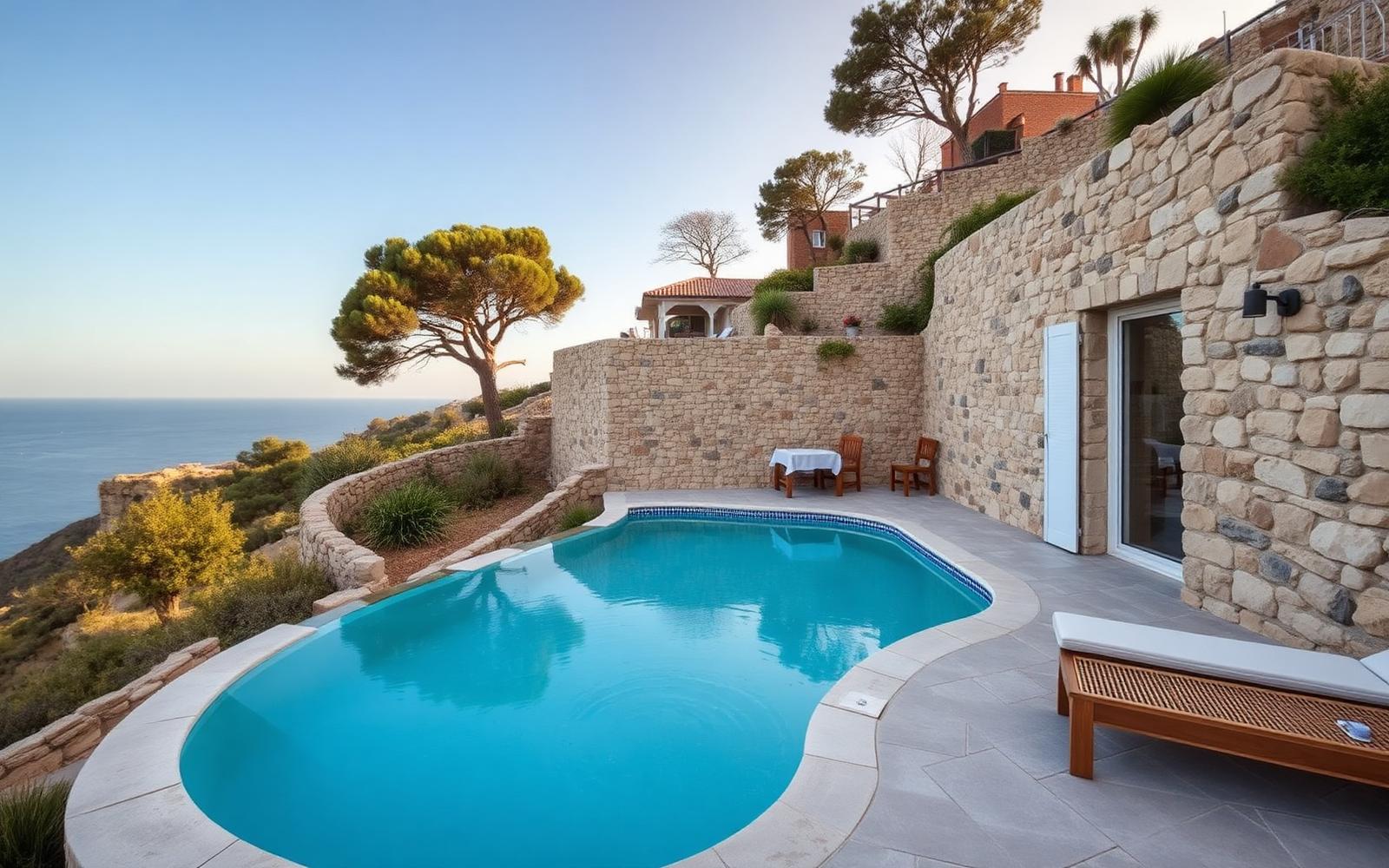
Buying property in Cape Town remains a highly accessible and attractive prospect for foreign investors because there are virtually no restrictions on non-resident ownership of real estate. Foreigners can purchase residential or commercial assets with the same title deed security as locals, provided they comply with Financial Intelligence Centre requirements and have the necessary funds transferred through official banking channels.
Buying Property in Cape Town as a Foreigner: 2026 Realities
Buying property in Cape Town remains a highly accessible and attractive prospect for foreign investors because there are virtually no restrictions on non-resident ownership of real estate. Foreigners can purchase residential or commercial assets with the same title deed security as locals, provided they comply with Financial Intelligence Centre requirements and have the necessary funds transferred through official banking channels.
Key Takeaways
- Full Ownership Rights: Foreigners can own freehold property in their individual capacity without needing a local partner.
- Favourable Exchange Rates: Despite rising property values, the South African Rand continues to offer significant purchasing power for USD, EUR, and GBP holders.
- No Purchase Restrictions: There are no specific surcharges or extra taxes applied solely to foreign buyers, unlike in the United Kingdom or Canada.
- Financing Limits: Non-residents are generally limited to a 50 percent loan-to-value (LTV) ratio when borrowing from South African banks.
- Residency Benefits: While property ownership does not automatically grant residency, it supports applications for financially independent visas or retired person permits.
Is Cape Town a safe investment in 2026?
As we move into 2026, the Cape Town property market has established itself as a distinct entity within the South African economy. Often referred to as a "semigration" hub, the city continues to see a massive influx of local wealth from northern provinces, which sustains demand even when national indicators fluctuate. For the international investor, the primary appeal lies in the lifestyle-to-cost ratio.
Data from the FNB Property Broker Survey and various Western Cape provincial reports indicate that luxury nodes such as the Atlantic Seaboard and the Constantia Valley have seen consistent capital appreciation over the last five years. While South Africa faces infrastructure challenges, the City of Cape Town municipality has been proactive in independent power procurement and water management, making it an outlier of stability in the region.
Can foreigners own land and property in South Africa?
Yes, South Africa has one of the most liberal property ownership regimes in the world. The Section 25 of the Constitution protects property rights, and the Deeds Registries Act ensures a sophisticated and transparent registration process. Foreigners can purchase property as individuals, or via a foreign company or a local trust. However, if purchasing via an entity, specific tax implications under the Income Tax Act must be considered.
Foreigners are not restricted to specific zones. You can purchase a penthouse in the V&A Waterfront, a historic wine estate in Stellenbosch, or a villa in Camps Bay with the same legal ease. The only notable restriction involves agricultural land, where certain long-term leases or acquisitions might require approval under the Subdivision of Agricultural Land Act, though this rarely affects residential buyers.
What are the costs of buying property in Cape Town?
The costs involved in a property transaction are standardised but significant. Buyers must budget for transfer duty, which is a government tax levied on a sliding scale.
Estimated Transaction Costs for 2026
| Cost Item | Estimated Amount | Responsibility |
|---|---|---|
| Transfer Duty | 0% to 13% (on properties over R11m) | Buyer |
| Conveyancing Fees | Approx. 1% to 1.5% of purchase price | Buyer |
| Deeds Office Levy | R40 to R6,000 depending on value | Buyer |
| Postage and Petties | R1,500 to R3,000 | Buyer |
| FICA/Compliance | R1,000 to R5,000 | Buyer |
| Agent Commission | 5% to 7.5% plus VAT | Seller |
It is important to note that if you are buying from a VAT-registered developer (New Developments), you will pay Value Added Tax instead of Transfer Duty. In 2026, the VAT rate remains 15 percent, but this is usually included in the advertised purchase price.
How does the buying process work for non-residents?
The process typically takes three to four months from the time the Offer to Purchase (OTP) is signed until the property is registered in your name at the Deeds Office.
- The Offer: You sign a legally binding Offer to Purchase. It is common to include a suspensive condition, such as obtaining a mortgage or a structural survey.
- The Deposit: Once the offer is accepted, a deposit (usually 10 percent) is paid into the trust account of the conveyancing attorney or the estate agency. This money earns interest for your benefit.
- FICA Compliance: You must provide proof of identity and origin of funds under the Financial Intelligence Centre Act. This is a standard anti-money laundering procedure.
- Transfer Documents: The appointed conveyancing attorney (typically chosen by the seller) prepares the transfer documents. These can be signed abroad at a South African embassy or via a Notary Public, though this adds cost and time.
- Payment: The balance of the purchase price is paid to the attorney or a bank guarantee is provided.
- Lodgement: The documents are lodged at the Cape Town Deeds Office, and registration usually occurs 10 to 15 working days later.
What are the financing and currency rules?
South Africa has strict exchange control regulations managed by the South African Reserve Bank (SARB). When you bring money into the country to buy property, it is vital to ensure the funds are declared as "foreign funds" and that you receive a Deal Receipt from the bank. This ensures that when you sell the property in the future, you can repatriate the full capital amount and any profit without difficulty.
Non-residents can apply for a mortgage, but South African banks generally require a 50 percent deposit. You will need to provide proof of income from your home country and three to six months of bank statements. Interest rates in South Africa are higher than in Europe or North America, so many foreign buyers prefer to pay in cash or finance the purchase through their home-country accounts.
For the wider context, read our full best countries for property investment in 2026.
Which areas should foreign investors target in 2026?
The Atlantic Seaboard: This remains the "Platinum Mile." Suburbs like Clifton, Camps Bay, and Bantry Bay offer the highest capital growth and are popular for short-term luxury rentals. Sea Point is a high-growth zone for apartments and younger investors.
The City Bowl: Suburbs like Oranjezicht and Higgovale offer proximity to the city centre and iconic views of Table Mountain. This area is highly resilient and popular among European digital nomads.
The Southern Suburbs: Constantia and Bishopscourt are the destinations of choice for families looking for large estates, proximity to top-tier schools, and world-class vineyards. These areas offer higher privacy than the coastal strips.
The Northern Suburbs and Winelands: Stellenbosch and Paarl have seen a surge in "lifestyle estates" such as Val de Vie and Val die Vineyards. These secure estates are arguably the most sought-after gated communities in the Southern Hemisphere, offering polo fields, golf courses, and high-level security.
What are the tax implications of owning property?
Owning property in Cape Town carries annual and transactional tax responsibilities.
- Municipal Rates: You will pay monthly rates to the City of Cape Town for services such as refuse removal and road maintenance. These are based on the municipal valuation of your property.
- Income Tax: If you rent out your property, the rental income is subject to South African Income Tax. You must register as a taxpayer. Fortunately, South Africa has Double Taxation Agreements (DTAs) with many countries, including the UK, USA, and most of Europe, ensuring you do not pay tax twice on the same income.
- Capital Gains Tax (CGT): When you sell the property, you will be liable for CGT on the profit. For non-resident individuals, the effective rate is generally lower than in many Western jurisdictions, but it is a mandatory withholding at the time of sale under Section 35A of the Income Tax Act.
Is an investment in Cape Town justified in 2026?
Despite the global economic shifts of the mid-2020s, Cape Town has retained its allure. The combination of a world-class lifestyle, a sophisticated legal framework for property, and a relatively weak currency makes it an attractive diversification play. Investors should, however, account for the costs of high-end security systems if buying outside of gated estates and consult with a local tax specialist to navigate the interplay between South African tax and their home jurisdiction.
Disclaimer: This article provides general information and does not constitute legal, financial, or tax advice. Readers should consult with qualified professionals before making any investment decisions.
Frequently Asked Questions
Can I get a visa by buying property in Cape Town? No, property ownership does not automatically grant a residency visa. However, it can help demonstrate the "financial assets" requirement for a Retired Person Visa or a Financially Independent Permit.
Do I need a South African bank account? While not strictly required for the purchase itself, it is highly recommended to have a local non-resident account to pay for municipal rates, utilities, and to receive potential rental income.
Is the title deed system secure? Yes, South Africa uses a highly secure, centralised Deeds Office registry. The title deed is the ultimate proof of ownership and is protected by law.
Are properties sold furnished? Most residential properties are sold unfurnished. However, in the high-end luxury market and for new developments in the Atlantic Seaboard, furniture packages are often negotiable or included.
What are "Levies"? If you purchase a sectional title property (like an apartment) or a home in a gated estate, you will pay a monthly levy. This covers communal maintenance, security, and insurance for the building's structure.
Further official references
Beyond the sources cited in this article, the official government and intergovernmental bodies below publish the primary rules and fees for this area. Always consult them for current figures.
- OECD — Housing & Real Estate Statistics
- Eurostat — House Price Index
- UK — HM Land Registry
- UAE — Dubai Land Department
- US — Federal Reserve / FHFA House Price Index
This page was last reviewed on . Where official figures have changed since publication, the primary source prevails.
See our full editorial disclaimer.
Get matched with the right advisor
Tell us what you're considering. We'll introduce you to the most relevant partner firm at no cost.