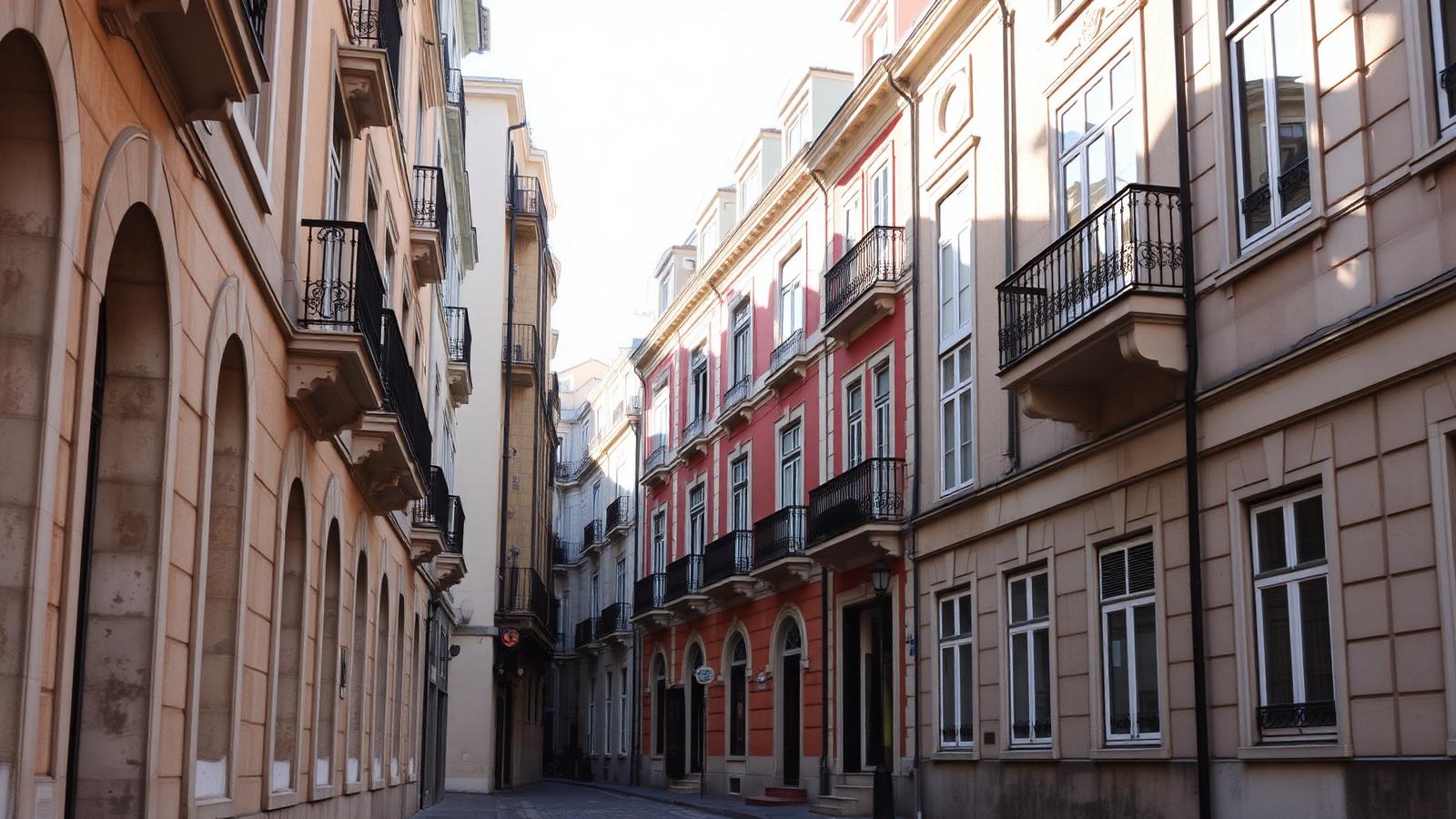
Buying Property in Italy as a Foreigner
Updated
A comprehensive expert guide to buying property in Italy, covering the legal process, taxes for non-residents, popular regions, and essential professional requirements.

Buying property in Italy as a foreigner is entirely possible and relatively straightforward, provided your country of citizenship has a reciprocal agreement with Italy, which applies to the UK, USA, Canada and EU member states. Global investors choose Italy for its stable real estate market, rich cultural heritage and the potential for long-term capital appreciation, particularly in high-demand regions like Tuscany, Lombardy and Puglia.
Buying Property in Italy as a Foreigner
Buying property in Italy as a foreigner is entirely possible and relatively straightforward, provided your country of citizenship has a reciprocal agreement with Italy, which applies to the UK, USA, Canada, and EU member states. Global investors choose Italy for its stable real estate market, rich cultural heritage, and the potential for long-term capital appreciation, particularly in high-demand regions like Tuscany, Lombardy, and Puglia.
Key Takeaways
- Reciprocity applies: Most Western citizens can buy without restrictions, but non-EU residents must check the reciprocity status through the Ministry of Foreign Affairs.
- The Codice Fiscale is essential: You cannot open a bank account, sign a contract, or pay utility bills without this unique tax identification number.
- Transaction costs are significant: Expect to pay between 10% and 20% of the property value in taxes and fees, depending on whether you are a resident or non-resident.
- Professional representation is mandatory: A Notaio (Notary) is a public official required by law to validate the sale, but they do not represent your personal interests; hiring an independent solicitor is advised.
- Alternative residency routes: Purchasing a property does not automatically grant a visa, but the Elective Residence Visa is a common path for those with sufficient passive income.
Can any foreigner buy a house in Italy?
Italy operates on a principle of reciprocity. If an Italian citizen can purchase a property in your home country, you are generally permitted to buy in Italy. This covers all EU and EEA citizens, as well as citizens of the United Kingdom, the United States, and Canada. For citizens of countries without such agreements, purchase is only possible if they hold a valid residence permit (Permesso di Soggiorno).
It is important to note that owning property does not provide an automatic right to live in Italy. For non-EU citizens, the 90-day Schengen Rule applies. If you intend to spend more than 90 days out of every 180 in the country, you must apply for a specific visa, such as the Elective Residence Visa or the Investor Visa for Italy.
What are the most popular regions for international buyers?
Italy offers incredibly diverse landscapes, each with a distinct price point and lifestyle.
Tuscany and Umbria
These regions remain the gold standard for international buyers seeking stone farmhouses and vineyards. While the "Chiantishire" area remains expensive, northern Tuscany (the Garfagnana) and southern Umbria offer similar aesthetics at a lower entry price.
Lombardy and the Northern Lakes
Lake Como and Lake Garda attract high-net-worth individuals, driven by proximity to Milan and the Swiss border. This is a primary market for luxury villas where privacy and views command a significant premium.
Puglia and Sicily
Southern Italy has seen a surge in interest due to the "Flat Tax" regime for retirees and lower property prices. In Puglia, the iconic conical-roofed Trulli houses have become highly sought-after for holiday rentals.
How does the purchase process work in Italy?
The Italian property buying process usually follows three distinct stages, each involving specific legal obligations.
Stage One: Proposta d’Acquisto (The Offer)
Once you find a property, you make a formal offer in writing. At this stage, you typically pay a small reservation deposit (around 1,000 to 5,000 Euros) to show your commitment. If the seller accepts, the property is taken off the market for a specified period while due diligence is performed.
Stage Two: Preliminare di Vendita (The Preliminary Contract)
Also known as the Compromesso, this is the most critical stage. Both parties sign a detailed contract outlining the price, completion date, and any conditions. You will pay a deposit (Caparra Confirmatoria) of 10% to 30% of the purchase price.
Crucially, under Italian law, if you back out after this stage, you lose your deposit. If the seller backs out, they are legally required to pay you double the deposit amount.
Stage Three: Atto di Vendita (The Final Deed)
Transfer of ownership occurs at the office of a Notaio. The Notary reads the deed aloud to ensure both parties understand the terms. Once signed, the balance is paid, the keys are handed over, and the Notary registers the sale with the Land Registry (Agenzia delle Entrate).
What are the costs and taxes involved?
Buying property in Italy involves various taxes that differ based on whether you are buying from a private individual or a company, and whether the home is your "Prima Casa" (Primary Residence) or a second home.
| Expense Category | Estimated Cost (Non-Resident) | Notes |
|---|---|---|
| Registration Tax (Imposta di Registro) | 9% of Cadastral Value | 2% if buying as a primary resident |
| Land Registry Tax (Imposta Ipotecaria) | 50 EUR | Fixed fee for private sales |
| Cadastral Tax (Imposta Catastale) | 50 EUR | Fixed fee for private sales |
| Notary Fees | 1% to 2.5% | Varies by property value and location |
| Agency Commission | 3% to 4% (+ VAT) | Usually paid by both buyer and seller |
| Legal Fees (Independent) | 1% to 2% | Optional but highly recommended |
Note that the Registration Tax is calculated based on the Cadastral Value (Valore Catastale), which is usually significantly lower than the actual market price. This provides a substantial tax benefit to the buyer.
Can I get a mortgage in Italy as a foreigner?
Yes, Italian banks do lend to non-residents, though the requirements are stricter than for residents. Generally, you can expect a Loan-to-Value (LTV) ratio of 50% to 60%. This means you will need a 40% to 50% cash deposit. Banks will require extensive documentation, including tax returns, payslips, and bank statements, all of which must be translated into Italian by an official translator.
Interest rates in Italy are competitive within the Eurozone, but the administrative process can be slow. It is often faster to work with a mortgage broker who specialises in international clients.
What professional help do I need?
You should never navigate the Italian market alone. At a minimum, your team should include:
- The Notary (Notaio): A neutral public official who ensures the transfer is legal and taxes are paid. They do not check if the roof is leaking or if the price is fair.
- An Independent Lawyer (Avvocato): Someone who represents your interests, performs thorough due diligence, and checks for hidden debts or illegal building works on the property.
- A Surveyor (Geometra): Essential for checking the structural integrity and ensuring the property matches the official floor plans at the Land Registry, which is a common issue in older Italian homes.
Why is the Codice Fiscale so important?
The Codice Fiscale is your tax identity in Italy. You cannot sign a purchase contract without it. You can apply for one at any Italian Consulate in your home country or at the local Agenzia delle Entrate office once you arrive in Italy. It is a free service, but essential for everything from setting up Wi-Fi to paying your annual property taxes.
Frequently Asked Questions
Is there an annual property tax in Italy? Yes. While primary residences are mostly exempt, second homes are subject to IMU (Imposta Municipale Propria) and TARI (garbage tax). These are calculated based on the property size and location.
Do I need a local bank account? Technically, you can pay the balance from an overseas account, but it is highly recommended to open an Italian account for paying utility bills and local taxes. Most developers and sellers prefer the security of a Assegno Circolare (cashier's check) from an Italian bank.
What is the '1 Euro Houses' scheme? Several dying villages offer houses for 1 Euro to attract new residents. However, these require a commitment to renovate the property within a specific timeframe, often costing 50,000 to 100,000 Euros or more. These are projects for the dedicated, not for those seeking a turnkey holiday home.
Can I rent out my Italian property? Yes, but you must register the rental contract if it exceeds 30 days and pay tax on the income (Cedolare Secca), which is currently set at a flat rate of 21% for short-term rentals in many cases.
Is a survey mandatory? In Italy, a survey is not legally required for a sale, but it is highly recommended for foreigners. Many older properties have 'abusi edilizi' (unauthorised building works) which can become your legal liability after purchase.
Disclaimer: This guide is for informational purposes only and does not constitute legal, financial, or tax advice. Always consult with a qualified professional before entering into a real estate transaction in Italy.
Explore Italy
Further official references
Beyond the sources cited in this article, the official government and intergovernmental bodies below publish the primary rules and fees for this area. Always consult them for current figures.
- OECD — Housing & Real Estate Statistics
- Eurostat — House Price Index
- UK — HM Land Registry
- UAE — Dubai Land Department
- US — Federal Reserve / FHFA House Price Index
This page was last reviewed on . Where official figures have changed since publication, the primary source prevails.
See our full editorial disclaimer.
Considering the Italy route? Get matched with a vetted advisor.
Tell us what you're considering. We'll introduce you to the most relevant partner firm at no cost.