Buying Property in Phuket, Thailand as a Foreigner
Updated
Discover how foreigners can safely buy property in Phuket. Learn about freehold condos, leasehold villas, costs, and the best locations for investment.
Foreigners can buy property in Phuket by purchasing condominium units in their own name under the Foreign Freehold quota or by securing landed villas through long term leasehold agreements. While Thai law restricts direct land ownership for non-citizens, Phuket provides a robust legal framework that allows international investors to enjoy secure, long term control over luxury real estate.
Buying Property in Phuket: A Complete Guide for International Investors
Foreigners can buy property in Phuket by purchasing condominium units in their own name under the Foreign Freehold quota or by securing landed villas through long term leasehold agreements. While Thai law restricts direct land ownership for non-citizens, Phuket provides a robust legal framework that allows international investors to enjoy secure, long term control over luxury real estate.
Key Takeaways
- Condominium Act: Foreigners can own 100% of a condo unit freehold, provided the total foreign ownership in the building does not exceed 49%.
- Leasehold Structures: Villas are typically acquired via a 30 year lease, which is renewable for two additional terms, totalling 90 years.
- Investment Thresholds: Entry level luxury apartments start around 5 million THB, whereas high end West Coast villas often exceed 50 million THB.
- Taxes and Fees: Transfer fees and taxes generally range between 2% and 6.3%, often split between the buyer and seller.
- Due Diligence: Hiring an independent lawyer to conduct title searches and contract reviews is the Single most important step in the process.
Is Phuket a good destination for property investment in 2024?
Phuket remains the premier destination for resort real estate in Southeast Asia. As Thailand’s largest island, it possesses an infrastructure that far outpaces its regional rivals. With an international airport providing direct flights to Europe, the Middle East, and mainland China, the island has transitioned from a seasonal holiday spot to a year round residential hub.
According to data from the Real Estate Information Center (REIC), demand for Phuket property surged by over 30% in the post pandemic period, driven largely by High Net Worth Individuals (HNWIs) seeking a "safe haven" or a secondary residence. The market is currently characterised by a shift toward the luxury villa segment, particularly in areas like Bang Tao and Layan, where the presence of international schools and world class medical facilities like Bangkok Hospital Phuket makes long term living feasible.
What are the legal ways for foreigners to own property?
Understanding the Thai Civil and Commercial Code is essential before committing capital. There are two primary routes for international buyers.
1. Condominium Freehold
The Condominium Act B.E. 2522 allows foreigners to own the freehold title of a unit. The only caveat is the "49% rule," which dictates that foreigners cannot own more than 49% of the total floor area of all units in a condominium building. This is the simplest and most liquid form of ownership for an international investor.
2. Leasehold for Villas and Land
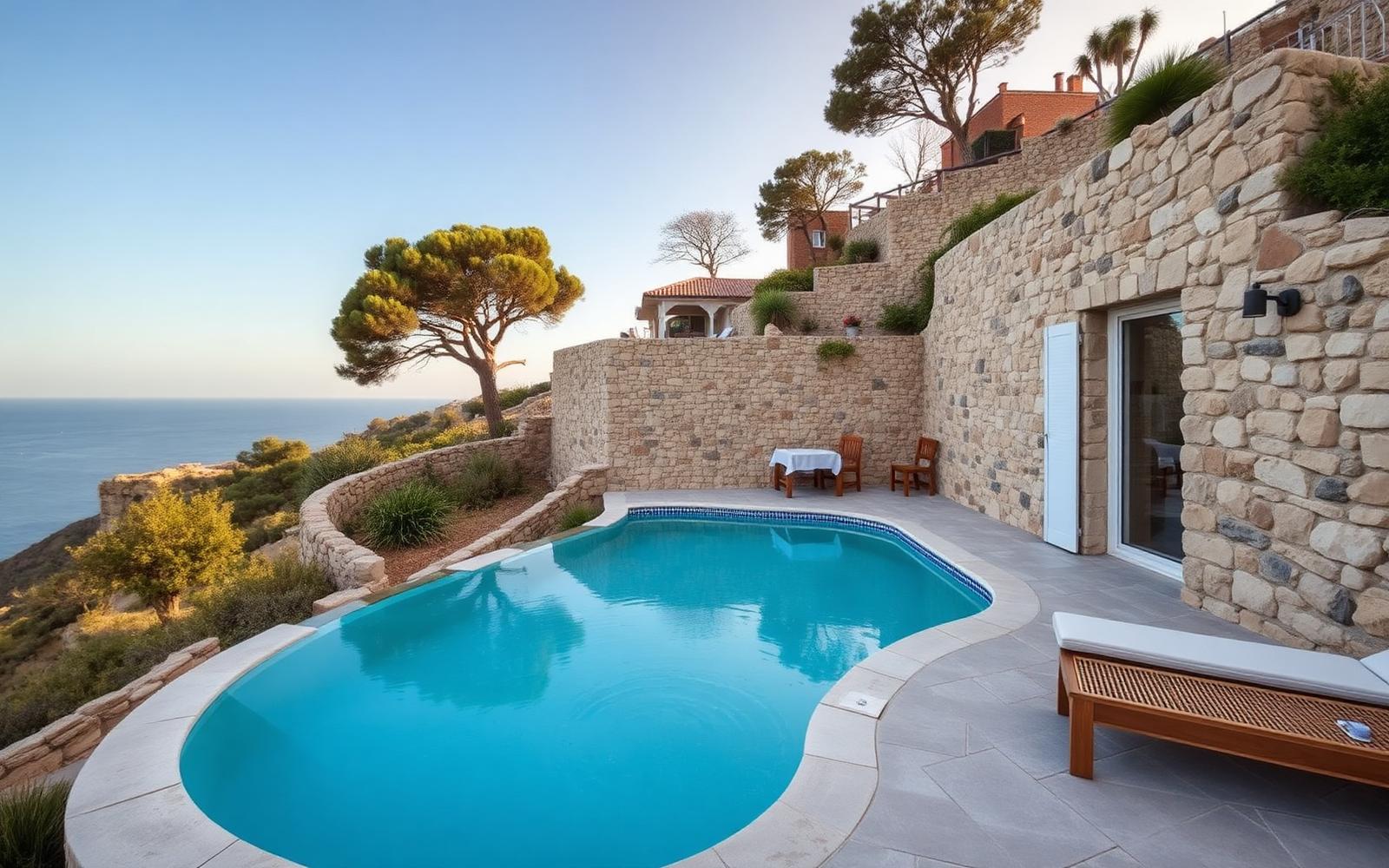
For those who prefer a villa with a private garden and pool, leasehold is the standard path. Under Section 540 of the Civil and Commercial Code, the maximum lease term is 30 years. However, most developers offer contracts with two prepaid renewals, offering a total 90 year interest. This lease is registered at the Provincial Land Office, providing a high level of legal protection.
3. Thai Limited Company
In the past, many foreigners used a Thai Limited Company to purchase land. However, the Land Department has increased scrutiny on this practice to ensure companies are not "nominee" vehicles used solely to circumvent land ownership laws. Investors must ensure any company structure has legitimate Thai shareholders and an active business purpose. Professional legal counsel is mandatory if pursuing this route.
Which areas of Phuket offer the best returns?
Location is the primary determinant of both capital appreciation and rental yield. Phuket is broadly divided into several distinct investment zones.
The West Coast: High Demand and Premium Prices
- Bang Tao and Laguna: This is currently the most prestigious area on the island. The integrated resort of Laguna Phuket provides a secure environment for families. Property prices here have seen consistent growth due to the limited availability of developable land near the beach.
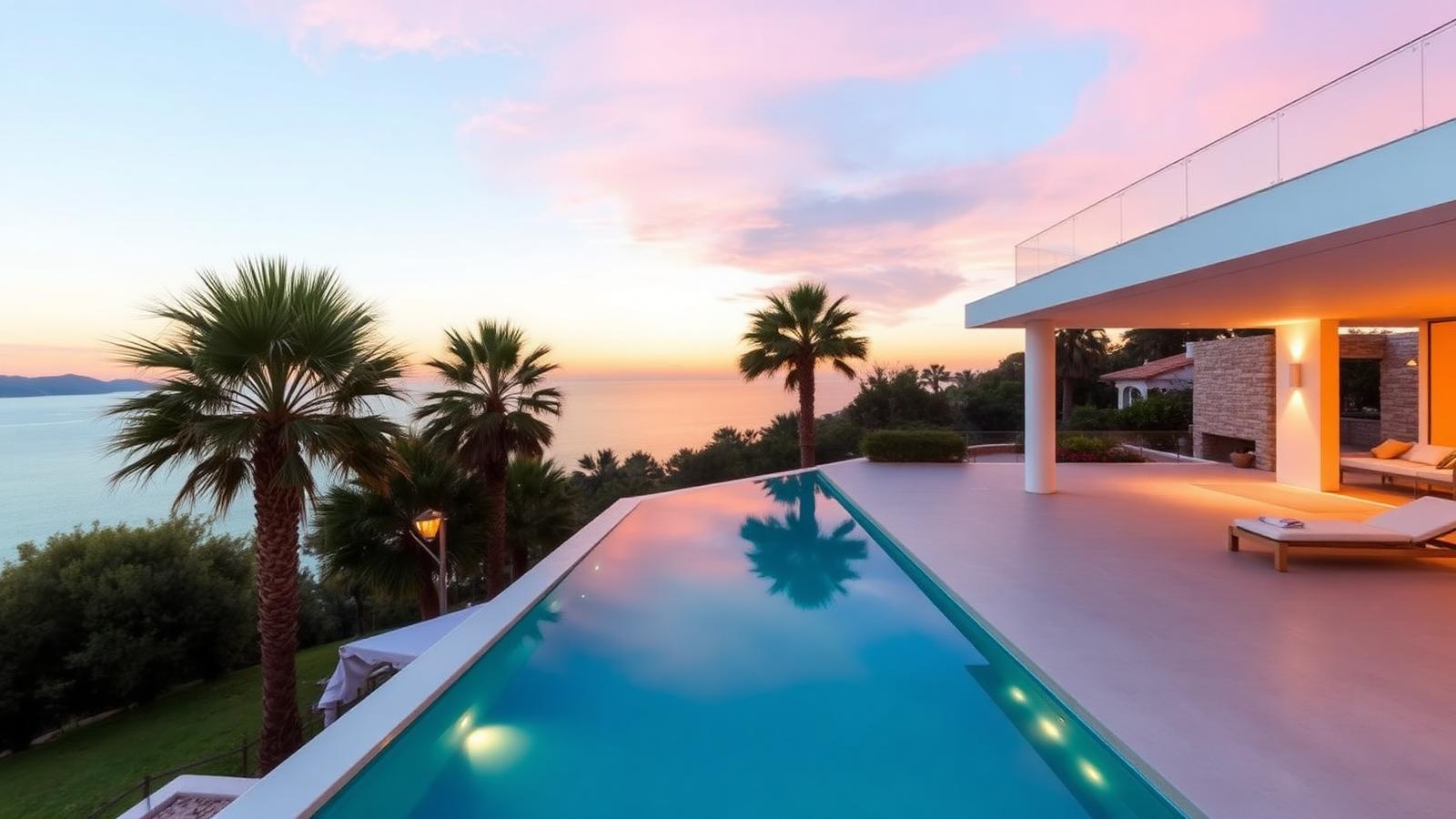
- Kamala: Known as "Millionaire’s Mile," this area caters to the ultra high end market. It offers privacy and dramatic ocean views, making it a favourite for luxury villa rentals.
- Patong: While high in rental demand, Patong is saturated and attracts a more transient, budget conscious tourist. It is less suited for capital appreciation but can offer high short term yields.
The South: Local Charm and Community
- Rawai and Nai Harn: Popular with digital nomads and European retirees. These areas offer a more community centric lifestyle with lower price points than the West Coast.
Comparison: Freehold vs Leasehold in Phuket
| Feature | Condominium Freehold | Villa Leasehold |
|---|---|---|
| Ownership Period | Indefinite / Perpetual | 30 + 30 + 30 Years |
| Title Document | Chanote (Title Deed) | Registered Lease Agreement |
| Resale Market | Very High Liquidity | Moderate Liquidity |
| Maintenance | Common Area Fees | Villa Management Fees |
| Inheritance | Transferable to Heirs | Must be stipulated in contract |
What are the costs involved in buying property in Phuket?
When calculating your budget, you must account for government fees and taxes. These are typically calculated based on the government appraised value or the actual sale price, whichever is higher.
- Transfer Fee: 2% of the appraised value.
- Business Tax: 3.3% (applicable if the seller has owned the property for less than five years).
- Stamp Duty: 0.5% (applicable if Business Tax is not paid).
- Withholding Tax: If the seller is a company, this is 1% of the sale price. If the seller is an individual, it is calculated on a sliding scale based on the appraised value.
It is common practice in Phuket for the buyer and seller to split the 2% transfer fee equally, while the seller usually covers the Business Tax and Withholding Tax. However, all terms are negotiable and should be clearly defined in the Sales and Purchase Agreement (SPA).
For the wider context, read our full best countries for property investment in 2026.
How does the buying process work step by step?
- Property Selection and Reservation: Once a property is chosen, a reservation agreement is signed, and a deposit (typically 100,000 to 500,000 THB) is paid to take the property off the market.
- Due Diligence: Your lawyer conducts a title search to ensure the land has a "Chanote" or "Nor Sor 3 Gor" title and checks for any outstanding liens or encumbrances.
- Review of Contracts: The Sales and Purchase Agreement (SPA) is reviewed and negotiated. This document covers payment schedules, penalties for late delivery (for off plan projects), and warranties.
- Payment of Funds: Foreigners buying a freehold condo must transfer funds into Thailand in foreign currency. The receiving bank in Thailand will issue a Foreign Exchange Transaction (FET) certificate, which is required by the Land Department to register the unit in a foreigner’s name.
- Closing and Registration: The final payment is made, and the transfer of ownership is registered at the Phuket Land Office.
What are the risks and how can you mitigate them?
One of the primary risks for international buyers is purchasing "off plan" property that is never completed. To mitigate this, investors should only work with developers who have a proven track record of successful deliveries in Thailand.
Another risk involves "Chanote" title deeds. Some land in hilly areas or near national parks may have been issued illegally. This is why an independent lawyer must verify the land's history at the Land Department. Never rely solely on the developer's legal team; have your own representation to ensure E-E-A-T (Experience, Expertise, Authoritativeness, and Trustworthiness) standards are met in your transaction.
For condominium quotas and leasehold rules across the country, read our guide to buying property in Thailand.
Frequently Asked Questions
Can I get a mortgage as a foreigner in Thailand? Generally, Thai banks do not provide mortgages to non resident foreigners. However, some international banks with branches in Thailand (like UOB or ICBC) may offer offshore lending for Thai property. Some developers also provide short term financing for 3 to 5 years.
Is there an annual property tax in Phuket? Yes, the Land and Building Tax Act was introduced in 2020. For residential properties, the rates are very low, often starting at 0.02% of the appraised value, though this varies depending on whether the owner is an individual or a company and whether it is a primary or secondary home.
How much are the legal fees? Legal fees for a standard property purchase in Phuket typically range from 50,000 to 120,000 THB, depending on the complexity of the due diligence and the value of the transaction.
Can I rent out my Phuket property on Airbnb? Short term rentals of less than 30 days are technically regulated under the Hotel Act. To operate legally, a building must have a hotel licence or follow specific exemptions for small properties. Many condominium buildings have strict rules against daily rentals, so check the building bylaws first.
What happen if I want to sell my property later? Selling is straightforward, but you will need to account for the taxes mentioned earlier. If you own a freehold condo, you can sell it to another foreigner or a Thai national. If you hold a lease, you will assign the remaining term of the lease to the new buyer, subject to the terms of your original contract.
Conclusion
Buying property in Phuket is a viable and often lucrative move for international investors, provided one operates within the established legal frameworks. The island offers a blend of lifestyle benefits and investment potential that is difficult to match elsewhere in Asia. However, the importance of professional legal advice and thorough due diligence cannot be overstated. By selecting the right location and verifying title deeds through independent experts, you can secure a tropical asset that serves your portfolio for decades to come.
Disclaimer: This article is for informational purposes only and does not constitute legal or tax advice. Readers should consult with a qualified legal professional and tax advisor before making any investment decisions in Thailand.
Further official references
Beyond the sources cited in this article, the official government and intergovernmental bodies below publish the primary rules and fees for this area. Always consult them for current figures.
- OECD — Housing & Real Estate Statistics
- Eurostat — House Price Index
- UK — HM Land Registry
- UAE — Dubai Land Department
- US — Federal Reserve / FHFA House Price Index
This page was last reviewed on . Where official figures have changed since publication, the primary source prevails.
See our full editorial disclaimer.
Get matched with the right advisor
Tell us what you're considering. We'll introduce you to the most relevant partner firm at no cost.