Moving to Portugal 2026: Visas, Tax and the Path to Citizenship
Updated
Moving to Portugal in 2026 requires navigating new residency visa options tax rules and a longer path to citizenship. This guide details the current requirements for the Golden Visa D7 and D8 visas.
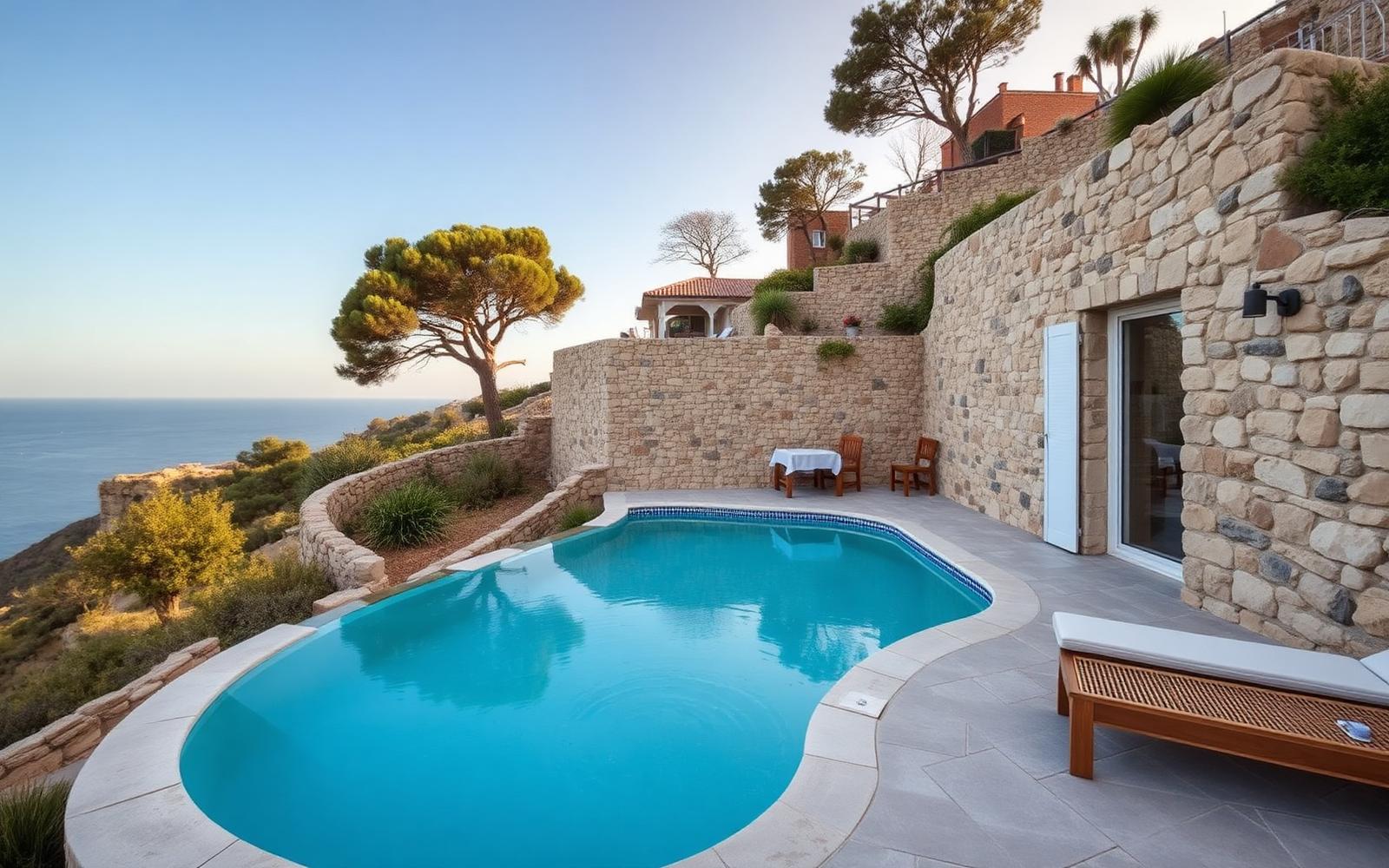
You can move to Portugal in 2026 using visas like the Golden Visa (€500,000 fund investment), D7 (passive income) or D8 (digital nomad). The NHR tax scheme has been replaced by the more specific IFICI. Crucially a new 2026 law requires 10 years of legal residency for citizenship naturalisation.
Moving to Portugal remains an attractive prospect in 2026 but the landscape for new residents has changed significantly. A successful relocation depends on understanding the updated visa options tax rules and the much longer journey to citizenship.
Portugal continues to offer a superb quality of life with its pleasant climate rich culture stunning coastline and relatively affordable living costs. The country has long been a magnet for expatriates investors and retirees. Recent years have brought major updates to its immigration and tax laws making it essential for prospective residents to have current and accurate information. This guide provides a comprehensive overview of how to move to Portugal in 2026 covering the main residency pathways the new tax landscape and the revised requirements for obtaining citizenship. For guidance on other destinations you can explore our full range of moving abroad articles.
Portugal's Main Residency Visas in 2026
For non-EU EEA or Swiss citizens moving to Portugal means securing a residency visa. The Portuguese government offers several pathways each tailored to different circumstances such as investment passive income or remote work. The choice of visa will determine your financial commitments your physical stay requirements and your daily life in Portugal. It is vital to select the route that best aligns with your personal and financial situation.
The Golden Visa (ARI)
The Golden Visa or Residence Permit for Investment Activity (ARI) continues to be a popular option for high net worth individuals seeking a flexible residency with minimal physical presence requirements. Major changes in 2023 removed the popular real estate investment option. The primary route now involves a capital transfer into qualifying investments.
The main option is an investment of €500,000 in non-real-estate collective investment funds. These funds must be constituted under Portuguese law have a maturity of at least five years and invest at least 60% of their capital in commercial companies headquartered in Portugal. The key advantage of the Golden Visa is its exceptionally low stay requirement: just seven days in the first year and 14 days in each subsequent two-year period. This makes it ideal for investors who want the benefits of EU residency without needing to relocate full-time. You can learn more in our detailed guide to Portugal's Golden Visa investment funds.
The D7 Visa (Passive Income)
The D7 Visa is designed for individuals who can demonstrate a stable and regular passive income sufficient to support themselves in Portugal. This visa is particularly popular with retirees or individuals with income from pensions property rentals intellectual property or financial investments.
Applicants must prove they have a reliable stream of income from outside Portugal. While the exact threshold is tied to the Portuguese minimum wage and subject to change applicants must demonstrate sufficient funds for themselves and any dependants. The D7 visa requires a more significant commitment to living in Portugal than the Golden Visa. To maintain and renew the residency permit holders are generally expected to spend at least 183 days a year in the country making them tax resident. This path is suited for those genuinely looking to make Portugal their main home.
The D8 Visa (Digital Nomad)
Introduced in late 2022 the D8 Visa specifically caters to the growing population of remote workers and freelancers. This visa allows professionals who work for foreign employers or have clients outside Portugal to legally reside and work from the country.
To qualify applicants must demonstrate an average monthly income from remote work that is at least four times the Portuguese minimum wage. As of early 2026 this equates to a substantial monthly income proving financial self-sufficiency. Like the D7 the D8 residency permit generally requires its holders to become tax resident in Portugal. It offers a clear legal framework for location-independent professionals wanting to establish a base in Europe. For a complete breakdown you can read our comprehensive guide to the Portugal D8 Digital Nomad Visa.
Portugal Residency Visas Compared
Choosing the right residency path is the most critical decision when planning your move. The Golden Visa D7 and D8 cater to very different profiles and financial situations. The table below outlines the key differences between these primary routes to help you understand which might be the best fit for your circumstances.
| Feature | Golden Visa (Fund Route) | D7 Visa (Passive Income) | D8 Visa (Digital Nomad) |
|---|---|---|---|
| Best For | HNW investors seeking EU residency with minimal physical presence. | Retirees and individuals with stable passive income looking to relocate. | Remote workers and freelancers with active income from foreign sources. |
| Minimum Financial Requirement | €500,000 investment in qualifying funds plus fees. | Proof of regular passive income sufficient to meet official thresholds. | Proof of active remote work income of at least 4x the Portuguese minimum wage. |
| Physical Stay Requirement | 7 days in year one 14 days per subsequent 2 years. | At least 6 consecutive or 8 non-consecutive months per year. | At least 6 consecutive or 8 non-consecutive months per year. |
| Path to Citizenship | Eligible to apply after 10 years of legal residence under the new law. | Eligible to apply after 10 years of legal residence under the new law. | Eligible to apply after 10 years of legal residence under the new law. |
| Work in Portugal? | Yes work is permitted. | No work for a Portuguese employer is generally not permitted. | Yes but only for employers or clients based outside Portugal. |
The New Path to Portuguese Citizenship: The 10-Year Rule
One of the most significant changes affecting expatriates in Portugal is the new law governing naturalisation. For many years Portugal's five-year path to citizenship was one of the fastest in Western Europe and a major draw for those seeking an EU passport. This has now changed dramatically.
Under Lei Orgânica n.º 1/2026 which came into force on 19 May 2026 the standard period of legal residence required to apply for Portuguese citizenship through naturalisation has been extended to 10 years. For nationals of EU member states or Portuguese Language Countries (CPLP) this period is set at 7 years.
This new rule applies to all holders of Portuguese residence permits including those on the Golden Visa D7 and D8 routes who start their residency after the law's effective date. The 10-year clock starts from the date the first residence permit is issued. This change represents a fundamental shift in Portugal's immigration policy. It lengthens the commitment required from foreign residents who have citizenship as their ultimate goal. Any information or guides citing a five-year path to citizenship should be considered outdated for new applicants beginning their residency journey in 2026.
This legislative amendment makes long-term planning more important than ever. Prospective residents must now factor a decade-long timeline into their life and financial plans if obtaining a Portuguese passport is a key objective. The requirement to demonstrate a connection to the national community including proficiency in the Portuguese language to an A2 level remains in place.
Want help comparing your options? Get matched with a specialist from one of our partner advisory firms.
Tax Considerations for New Residents: IFICI Replaces NHR
Portugal's tax environment for new residents has also undergone a major overhaul. The popular Non-Habitual Resident (NHR) tax regime which offered significant tax benefits on foreign income for 10 years closed to new applicants at the end of 2023. It has been replaced by a much narrower scheme.
The successor regime is called the Incentivo Fiscal à Investigação Científica e Inovação (IFICI) often referred to as NHR 2.0. This new incentive is not a broad-based scheme like its predecessor. Instead it is targeted at a specific group of professionals and academics.
Under IFICI eligible new residents can benefit from a flat 20% tax rate on qualifying Portuguese employment and self-employment income for a period of 10 years. It also provides for an exemption on certain types of foreign-source income. However eligibility is restricted to individuals in specific roles such as higher-education teaching scientific research qualified employment in certified startups or positions in companies benefiting from specific investment-related tax incentives. You can find more detail in our guide to IFICI the NHR successor regime.
For most people moving to Portugal this means they will be subject to Portugal's standard progressive income tax rates on their worldwide income once they become tax resident. Tax residency is typically established by spending more than 183 days in the country in a tax year or by having a habitual home in Portugal. Understanding the difference between tax residency and legal residency is crucial for proper financial planning.
Buying Property in Portugal
Many people moving to Portugal dream of owning a home there. Foreigners are generally free to buy property in Portugal and the process is straightforward with the help of a good local lawyer. You will need a Portuguese tax number (NIF) to complete any purchase.
It is critically important to understand that buying residential property in Portugal no longer qualifies you for the Golden Visa. This route was closed to new applicants in 2023. While owning a home can support your residency application by demonstrating you have accommodation it does not in itself grant you the right to live in Portugal. You must still qualify for a residency visa like the D7 or D8 independently.
Property ownership comes with associated costs including Property Transfer Tax (IMT) and Stamp Duty on purchase as well as annual property taxes (IMI). The market remains popular for lifestyle buyers and investors seeking rental yields but its role as a direct path to residency is over.
For the wider context, read our full portugal golden visa 2026: €500k fund route, costs & 10-year citizenship rule.
How to Apply for a Portuguese Residency Visa: Step-by-Step Guide
Navigating the Portuguese immigration system requires careful preparation and patience. While the specifics vary by visa type the general process follows a similar sequence of steps. Here is a general outline of the journey from application to receiving your residence permit.
-
Choose your visa route. This is the foundational step. Carefully assess your financial situation income source and long-term goals to determine whether the Golden Visa D7 D8 or another visa is the correct path for you. Seeking professional advice at this stage can prevent costly mistakes.
-
Gather preliminary documents. Before you can apply for a visa you will need a Portuguese Tax Number (NIF) and in most cases a Portuguese bank account. These are essential for almost all transactions in Portugal from renting an apartment to setting up utilities. These can often be arranged remotely through a lawyer or fiscal representative.
-
Prepare your main application file. This is the most document-intensive phase. You will need a valid passport a clean criminal record certificate from your home country and any country you have lived in for more than a year proof of comprehensive health insurance valid in Portugal and proof of accommodation (e.g. a 12-month rental agreement).
-
Collate visa-specific evidence. Alongside the general documents you must provide evidence for your specific visa. For the Golden Visa this is proof of the qualifying €500,000 fund investment. For the D7 it is bank statements and other documents proving your passive income. For the D8 it is employment contracts and bank statements showing your remote work salary.
-
Submit your application at a consulate. The visa application must be submitted from outside Portugal at the Portuguese consulate or embassy in your country of residence. You will attend a scheduled appointment to submit your file and have your documents checked. If approved a temporary visa will be stamped into your passport allowing you to travel to Portugal.
-
Attend your AIMA appointment in Portugal. Once in Portugal you must attend a pre-scheduled appointment with the Agency for Integration Migration and Asylum (AIMA). At this appointment you will provide your biometric data (fingerprints and photo) and submit the original documents. Due to significant backlogs waiting for this appointment can be a lengthy process.
-
Receive your residence permit. After a successful AIMA appointment your official residence permit card (Título de Residência) will be processed and mailed to your registered address in Portugal. This card is your proof of legal residence and must be renewed according to its validity period typically one or two years initially.
Frequently asked questions
How long does the Portuguese residency application process take?
The timeline varies significantly. The consular stage can take two to four months. However the subsequent process in Portugal including securing an appointment with AIMA and receiving the final residence card can take many more months due to administrative backlogs. It is wise to plan for a total process of 12 months or more.
Can my family join me if I move to Portugal?
Yes the main applicant for a residence permit can usually bring close family members under family reunification rules. This typically includes a spouse or partner dependent children and in some cases dependent parents. Each family member will need to submit their own application and meet specific requirements.
Do I have to learn Portuguese to get citizenship?
Yes to be eligible for Portuguese citizenship by naturalisation you must demonstrate a sufficient knowledge of the Portuguese language. This is generally assessed as an A2 level on the Common European Framework of Reference for Languages. You will need to pass a certified language test or complete a recognised course.
Is the 10-year citizenship rule definite?
Yes the law extending the residency requirement for naturalisation to 10 years (Lei Orgânica n.º 1/2026) is in force as of 19 May 2026. While laws can always change in the future this is the current legal reality for new residents. You should base your plans on this 10-year timeline.
What is the difference between the D7 and D8 visas?
The key difference is the source of income. The D7 visa is for individuals with passive income such as pensions rent or dividends. The D8 visa is specifically for active income earned from remote work for foreign companies or clients. The income requirements and application evidence differ accordingly.
Does the Portugal Golden Visa still exist in 2026?
Yes the Golden Visa programme still exists but its investment options have changed. The popular real estate purchase option was eliminated. The main qualifying route now is a €500,000 investment in specific Portuguese investment funds. The programme's main appeal remains its very low physical stay requirement.
Do I need to live in Portugal to keep my Golden Visa?
No you do not need to live in Portugal. The Golden Visa's minimum stay requirement is only seven days during the first year and 14 days during each subsequent two-year period. This allows you to maintain your residency status and progress towards citizenship eligibility without relocating permanently.
Will I automatically become a tax resident by moving to Portugal?
Not automatically but it is very likely if you hold a D7 or D8 visa. You are generally considered a tax resident if you spend more than 183 days in Portugal during a tax year. Once you are a tax resident your worldwide income may be subject to Portuguese taxation.
Can I work for a Portuguese company on a D7 or D8 visa?
Generally no. The D7 visa is based on passive income and does not permit employment in Portugal. The D8 visa allows you to work remotely but only for employers or clients based outside of Portugal. To work for a Portuguese company you would typically need a different type of work visa.
Is Portugal a safe country for expats?
Yes Portugal consistently ranks as one of the safest countries in the world in the Global Peace Index. It has a low crime rate and a stable political environment making it a very secure and welcoming place for expatriates and their families to live.
Ready to take the next step? Get matched with a specialist who can review your circumstances.
Sources
- AIMA (Agência para a Integração Migrações e Asilo) - aima.gov.pt
- Portuguese Ministry of Foreign Affairs (Consular Services) - vistos.mne.gov.pt
- Diário da República (Official Gazette) for Lei Orgânica n.º 1/2026
- Portal das Finanças (Portuguese Tax and Customs Authority)
Further official references
Beyond the sources cited in this article, the official government and intergovernmental bodies below publish the primary rules and fees for this area. Always consult them for current figures.
- Portugal — AIMA (Agency for Integration, Migration and Asylum)
- Greece — Ministry of Migration and Asylum
- Spain — Ministerio de Inclusión, Seguridad Social y Migraciones
- Italy — Ministero degli Affari Esteri (Visa Portal)
- UAE — ICP (Federal Authority for Identity & Citizenship)
- Ireland — Department of Justice (Immigration Service)
This page was last reviewed on . Where official figures have changed since publication, the primary source prevails.
See our full editorial disclaimer.
Considering the Portugal route? Get matched with a vetted advisor.
Tell us what you're considering. We'll introduce you to the most relevant partner firm at no cost.